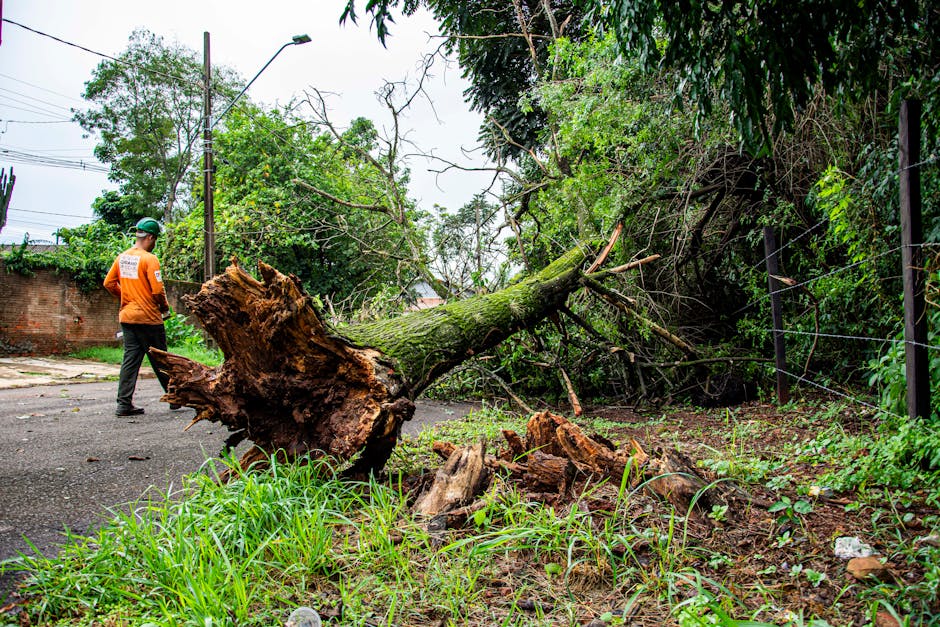
Emergency tree and hedge gardeners in Morden urgent fixes
If a hedge has collapsed across the path, a tree limb is hanging after a windy night, or the front garden suddenly looks unsafe, you need calm, fast help. That is where Emergency tree and hedge gardeners in Morden urgent fixes come in: a practical, local response for urgent garden problems that can't wait until next week. In plain English, it means getting the right people on-site quickly to make the area safe, clear access, and stop a small problem turning into a bigger one. Truth be told, that little bit of speed can save a lot of stress.
Whether you are a homeowner, landlord, managing agent, or business owner, urgent tree and hedge work is usually about three things: safety, access, and preventing further damage. In this guide, we'll walk through what emergency garden fixes involve, how the process works, when it makes sense to call for help, and what good service looks like in the real world.
Why Emergency tree and hedge gardeners in Morden urgent fixes Matters
Urgent garden issues tend to arrive at the worst possible time. One gusty evening and a hedge is leaning over the drive. A tree branch snaps, brushes a fence, and suddenly you've got blocked access and a neighbour who quite reasonably wants to know what happens next. These are not just cosmetic problems. They can become trip hazards, vehicle hazards, privacy issues, and insurance headaches if they're left.
In a busy residential area like Morden, access matters. Front paths, shared driveways, side returns, alleyways, and boundary hedges often sit close to fences, parked cars, windows, and overhead cables. When something fails, the risk is rarely just the plant itself. It's what the plant falls on, blocks, or rubs against. That's why rapid garden response is about judgement as much as cutting.
There is also a practical timing issue. Wet weather, short daylight hours, and saturated soil can make unstable trees and hedges more likely to shift. Even a small amount of movement can widen a split trunk or loosen roots. So yes, waiting can sometimes be harmless. But sometimes it really isn't. A good emergency gardener knows the difference and acts accordingly.
Expert summary: emergency tree and hedge work is not about "tidying up quickly"; it is about making a site safe, restoring access, and dealing with urgent risk in a controlled way.
How Emergency tree and hedge gardeners in Morden urgent fixes Works
The process is usually simpler than people expect. The first step is a quick assessment, often over the phone or with photos. A reliable team will want to know what has happened, whether anyone is in immediate danger, what access is available, and whether the issue is a tree, hedge, or both. If a branch is hanging over a public-facing area, the advice may be to keep clear until the site is inspected. Sensible stuff, really.
Once the situation is understood, the work normally falls into one of a few categories:
- Immediate make-safe work such as removing loose limbs, securing a split hedge, or clearing a blocked path.
- Controlled cutting back to reduce weight, stop further collapse, and restore access.
- Full removal or partial dismantling where a tree or hedge is too unstable to keep safely.
- Clearance and tidy-up so the site is left usable rather than just "less bad".
For larger or riskier jobs, the team may need ladders, poles, saws, securing equipment, and in some cases traffic or boundary management. The exact method depends on the size of the plant, how it failed, and what's around it. A front garden with a broken ornamental hedge is one thing. A mature tree leaning after storm damage is another. Very different jobs, very different decisions.
Many people also ask how fast "urgent" really is. The honest answer is that it depends on the severity of the issue, weather conditions, and how much equipment is needed. A quick hedge cut-back to reopen a path may be dealt with sooner than a complex tree hazard. That's normal. Good providers will be upfront about what can be done immediately and what should wait for safer conditions.
Key Benefits and Practical Advantages
Emergency garden work is valuable because it reduces uncertainty. When a hedge is splayed across a driveway or a damaged tree is creaking in the wind, people want one thing first: to know the problem is under control. Fast intervention brings that breathing space.
Here are the main advantages:
- Safety restored quickly - fewer trip hazards, falling risks, and blocked routes.
- Access reopened - especially important for cars, bins, deliveries, and emergency access.
- Further damage reduced - catching a split branch early can prevent a bigger failure.
- Neatness and privacy recovered - a collapsed hedge can expose a property boundary in an instant.
- Better long-term plant decisions - sometimes an urgent repair reveals that ongoing maintenance is needed.
There's also a quieter benefit that people underestimate: peace of mind. A garden problem that sits in the back of your mind all evening has a way of making everything feel heavier. Getting it dealt with properly changes the mood of the whole place. You can hear the difference, oddly enough. Less cracking wood, less rattling fence, less "oh no, what now?"
When handled well, emergency tree and hedge work can also be the start of a more stable maintenance plan. If a hedge keeps leaning after every storm, or a tree keeps dropping weak limbs, the emergency fix is only part of the answer. Ongoing support from a service such as garden maintenance or a more targeted hedge trimming visit can help prevent a repeat of the same headache.
Who This Is For and When It Makes Sense
Emergency tree and hedge gardeners are not just for major storm damage. They are for anyone dealing with an urgent, awkward, or potentially unsafe garden issue. That could be a family home on a narrow road, a rental property where the hedge has grown beyond what a tenant can reasonably tackle, or a commercial frontage that needs to stay open and presentable.
This kind of service makes sense when:
- a hedge or tree is blocking a path, gate, driveway, or alley;
- a branch is cracked, hanging, or rubbing against a structure;
- a hedge has been flattened or bent by wind, snow, or impact;
- access is needed quickly for residents, customers, or vehicles;
- there is a boundary dispute risk because the vegetation has failed into a neighbour's space;
- you need urgent clearance before a follow-up job such as fencing, decking, or landscaping.
Landlords and managing agents often need a fast response because they have a duty to keep common areas safe and usable. Homeowners, meanwhile, usually need practical help after weather damage or when regular pruning has been left too long. Happens more often than people admit. Life gets busy, the hedge grows, then one storm later it's everyone's problem.
If the issue is mixed with general overgrowth or garden waste, it can be useful to combine emergency work with garden clearance so the mess is removed in one go rather than left sitting in bags and piles for days.
Step-by-Step Guidance
If you're facing an urgent tree or hedge problem, here's a sensible way to handle it without overthinking things.
- Make the area safe. Keep people, pets, and vehicles away from unstable branches, leaning hedges, or sharp debris.
- Take a clear look from a distance. You do not need to climb, poke, or tug. In fact, please don't. A branch that looks harmless can shift without warning.
- Gather a few photos. A couple of images from different angles help a gardener understand the issue before arriving.
- Describe what changed. Was it wind, impact, rot, or gradual collapse? The cause matters.
- Ask what can be done immediately. A proper emergency visit should focus on making the site safe first, not on selling extra work you didn't ask for.
- Confirm access and parking. In Morden, access can be tight. Mention side entrances, shared drives, locked gates, or anything that could delay the visit.
- Plan the next step. Sometimes that means follow-up pruning, stump work, hedge reshaping, or replacement planting later on.
One useful habit: keep a note of what happened and when. Not glamorous, I know. But if there is a neighbour issue, insurance conversation, or repeat failure, a simple timeline can help.
Expert Tips for Better Results
Here's what tends to make urgent garden work go more smoothly in real life.
First, act before the problem spreads. A split hedge can often be stabilised more easily in the first few hours than after it has dried out, twisted, or been walked through by half the street. Small window, big difference.
Second, be honest about the scale. If the tree looks large, unstable, or close to structures, say so. Don't undersell the risk just because you'd like a cheaper visit. The right team needs the right picture.
Third, think beyond the immediate fix. A storm-damaged hedge might need re-staking, reshaping, or a section replacement. A tree with repeated limb failure may need a more considered reduction or removal, depending on condition and location.
Fourth, keep the surrounding area clear. Garden chairs, bins, planters, and bikes seem to gather right where access is needed. They always do. Move them if you can.
Fifth, ask about disposal. What happens to cut branches, hedge trimmings, and timber? Responsible teams should explain their waste handling clearly. If sustainability matters to you, check options that align with recycling and sustainability.
If the emergency fix is part of a bigger refresh, you may also want to ask about landscape gardening or broader landscaping support once the urgent issue is sorted. Not everything needs doing today, but it helps to know what the end game is.
Common Mistakes to Avoid
Urgent jobs can tempt people into quick decisions. That's understandable. Still, a few mistakes come up again and again.
- Trying to cut unstable branches yourself. If a limb is cracked or under tension, it can spring or fall unpredictably.
- Leaving debris at the entrance. It may seem harmless, but one wet evening and it becomes a slip hazard.
- Assuming all hedge damage is cosmetic. A hedge leaning into a boundary fence can be a structural issue as well.
- Calling the cheapest option without checking capability. For an emergency, competence matters more than a vague "we can probably fit it in".
- Forgetting nearby hazards. Think about glass, wires, fences, gates, sheds, and parked cars before work begins.
- Skipping follow-up care. A rushed fix can leave the plant vulnerable if it is not properly tidied, reduced, or monitored afterwards.
To be fair, people often make these mistakes because they are trying to be helpful or save time. But urgent garden work is one of those situations where calm beats speed every time.
Tools, Resources and Recommendations
The best emergency gardeners bring the right kit for the job, not just a van and optimism. Depending on the situation, they may use pruning tools, saws, protective equipment, ladders, securing gear, tarps, and waste removal equipment. For the homeowner, the most useful "resource" is actually preparation: decent access, a few photos, and clear instructions.
From your side, a small emergency folder can be handy. Nothing fancy. Just keep:
- photographs of the damaged area;
- notes about when the damage happened;
- contact details for anyone affected, such as neighbours or property managers;
- any relevant messages about access or shared boundaries;
- quote and payment paperwork in one place.
If you want to understand how a provider works more broadly, it can help to review their services overview and see whether emergency work sits alongside regular garden care. A company that handles both urgent response and ongoing maintenance often gives a more practical long-term result.
You can also learn a lot by checking whether they present information clearly about insurance and safety and how they handle payment and security. It sounds boring until you're the one needing work done quickly. Then it matters, a lot.
Law, Compliance, Standards, or Best Practice
For urgent tree and hedge work in the UK, the main thing is to act safely, responsibly, and with proper regard for property boundaries and site conditions. The details vary by situation, but good practice generally includes risk assessment, safe access, appropriate personal protective equipment, and careful disposal of waste material.
If a tree appears dangerous or could affect a neighbour's land, it is wise to avoid amateur cutting until the situation is properly assessed. Tree work in particular can involve serious hazards such as tension in limbs, unstable roots, hidden decay, and proximity to utilities. A competent gardener or tree contractor will know when a job is simple hedge reduction and when it is closer to tree lopping and removal.
There can also be practical obligations around keeping shared access routes, pavements, and entrances clear. If the issue affects a rented property or communal space, it is sensible to notify the relevant decision-maker quickly and keep a record of what was done. That may sound a bit formal for a garden job, but it prevents confusion later.
For reassurance, choose a provider that is transparent about working practices. Pages such as health and safety policy and complaints procedure are useful indicators that the business takes its responsibilities seriously. You may never need those pages. But if you do, you'll be glad they exist.
Options, Methods, or Comparison Table
Not every urgent situation needs the same response. Sometimes a quick prune is enough. Sometimes it is more sensible to remove a section, clear debris, and return later for a fuller tidy-up. Here's a straightforward comparison.
| Method | Best for | Typical benefit | Watch out for |
|---|---|---|---|
| Emergency make-safe cut | Loose branches, leaning hedge sections, blocked access | Fast reduction in immediate risk | May not solve the underlying issue |
| Selective hedge trimming | Broken, bent, or untidy hedge edges after weather damage | Restores shape and access | Overcutting can leave thin patches |
| Tree reduction or lopping | Heavy crowns, overextended limbs, repeat breakage | Reduces load and stress on the tree | Requires care to avoid unnecessary damage |
| Full tree removal | Severe instability, decay, or repeated failure | Removes the hazard completely | Usually a bigger decision with more follow-up work |
| Clearance and follow-up maintenance | After storms, renovation work, or site restoration | Keeps the garden usable and tidy | Needs proper disposal and coordination |
If you are unsure which route is right, ask for the safest immediate option first. There is no shame in starting small. Better that than rushing into a bigger job before the site is actually ready.
Case Study or Real-World Example
A typical scenario in Morden goes something like this: after a wet, windy night, a front hedge on a corner property begins leaning into the pavement. The owner notices it at breakfast and sees that the base has shifted. Not fallen over completely, but enough to be worrying. Cars are turning close by, and the postman is already trying to squeeze past. Not ideal.
The first sensible move is to keep people off the edge and avoid pushing the hedge back by hand. A quick assessment shows the outer stems are still intact, but the root side has loosened and the top has taken the weight of the wind. The urgent fix is to cut back the exposed section, remove the loose debris, and reduce the sail effect so the hedge is no longer catching wind like a sailboat. A follow-up visit may then be needed to reshape, re-stake, or replace the damaged section.
What made the difference here was not just the cutting. It was the sequence: make safe first, clear access, then plan the recovery. That approach works for trees too. In another case, a property side return was blocked by a broken branch resting on a fence. The branch came down safely, the path opened, and the rest of the tree was inspected for decay before any further decision was made. Simple enough, but only because the situation was handled methodically.
And yes, sometimes the most helpful part is just getting the garden back to a state where people can walk through it without stepping sideways. Basic, but valuable.
Practical Checklist
Use this checklist when you need urgent tree or hedge help.
- Keep everyone away from the damaged area.
- Do not climb, pull, or cut unstable branches yourself.
- Take a few clear photos from a safe distance.
- Note whether the problem affects access, fencing, vehicles, or neighbours.
- Check if there is debris, sharp timber, or exposed roots.
- Confirm whether pets, children, or visitors need to be redirected.
- Prepare details about access, parking, and any locked gates.
- Ask what is needed immediately and what can wait.
- Discuss waste removal and tidy-up expectations.
- Arrange follow-up care if the plant needs more than a one-off fix.
Quick reminder: the safest urgent fix is the one that solves the immediate danger without creating a new one. Simple, but worth repeating.
Conclusion
Emergency tree and hedge work is one of those services people hope they never need, until they really need it. Then it becomes obvious very quickly how valuable a steady, practical response can be. The best urgent fixes do more than trim an untidy boundary. They restore safety, reopen access, reduce stress, and give you a clear next step.
If you are dealing with a damaged hedge, a leaning tree, or a garden that has gone from manageable to messy in a single afternoon, focus on the basics: keep the area safe, get a proper assessment, and choose a provider who understands both urgency and care. That balance matters. It really does.
If you are ready to discuss a fast response, a sensible maintenance plan, or a more complete garden reset, start with the team at contact us and see what can be done next. You may be surprised how quickly a bad garden moment can be turned around.
Get a free quote today and see how much you can save.
Sometimes the difference between chaos and calm is just one good call.
Frequently Asked Questions
What counts as an emergency tree or hedge problem?
Anything that creates immediate danger, blocks access, risks falling, or could cause damage if left until later counts as urgent. A collapsed hedge, cracked branch, or leaning tree near a path are common examples.
How quickly can urgent garden fixes be carried out in Morden?
It depends on the severity of the problem, weather, access, and the type of work needed. Simple make-safe hedge work may be dealt with faster than a complex tree hazard.
Can I cut a broken branch myself?
If the branch is unstable, under tension, or high up, it is usually safer to leave it alone. Small low-risk snips are one thing; hanging limbs and cracked stems are another.
Will an emergency visit always mean full removal?
No. Many urgent jobs only need pruning, reduction, or clearance. Full removal is normally reserved for severe instability, major decay, or repeated failure.
What should I do before the gardener arrives?
Keep people and pets away, take photos, clear access if you can, and make a note of what happened. That saves time and helps the assessment.
Is emergency hedge work different from normal hedge trimming?
Yes. Regular trimming is planned maintenance, while emergency hedge work is about making a damaged or unsafe hedge stable and usable again.
Can an urgent fix be combined with garden clearance?
Often, yes. If there is a lot of broken material or debris, combining the work with garden clearance can be more efficient.
What if the problem seems to affect my neighbour's side too?
It is best to mention that straight away. Boundary issues are common with hedges and trees, and clear communication helps avoid misunderstandings.
Do I need to worry about safety or insurance?
Yes, at least a little. For urgent outdoor work, it is sensible to choose a provider that is clear about insurance and safety and how they work on site.
What happens to the waste after an emergency cut-back?
That depends on the service, but good practice is to remove and dispose of it responsibly. If sustainability matters to you, ask about recycling and green waste handling.
Should I book ongoing maintenance after an emergency repair?
If the problem came from overgrowth, poor structure, or repeated wind damage, then yes, ongoing care can help prevent it happening again. A follow-up visit from garden maintenance is often worth it.
How do I know whether the issue is a tree job or a hedge job?
As a rule, hedges are about shaping, reduction, and boundary control, while trees involve heavier limbs, structure, and greater risk. If you are unsure, describe the problem and share photos so it can be assessed properly.
Where can I learn more about the company and its services?
You can review the company background on about us and browse the broader services overview to see how urgent work fits into regular garden care.