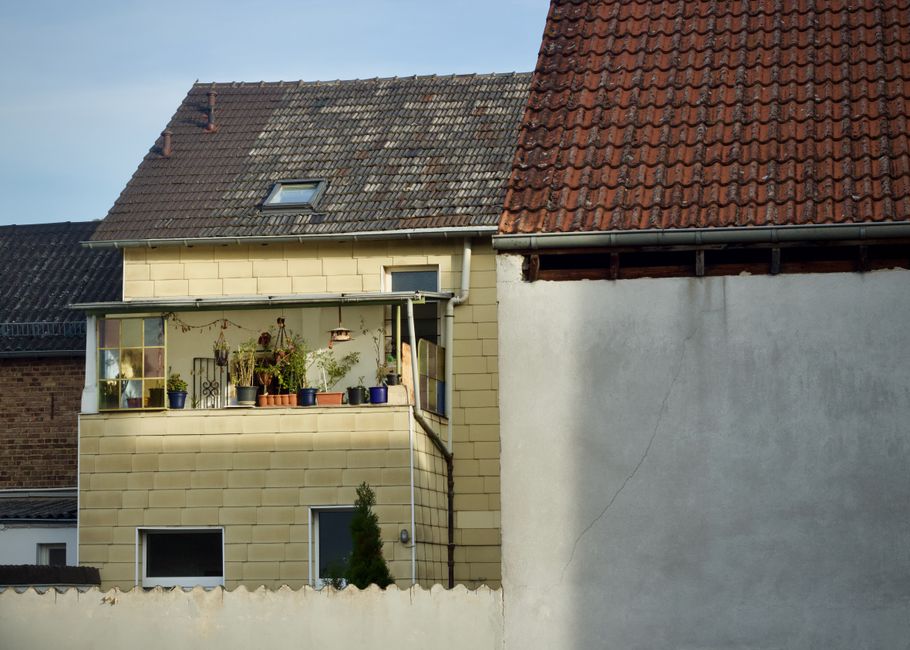
SM4 gardeners experienced with narrow terrace access: a practical guide for tight London gardens
If you are trying to keep a terrace garden in shape, but the only way in is a narrow side passage, a shared rear alley, or a squeeze between fence and wall, you already know the challenge. Tools do not glide in neatly, soil bags feel heavier than they should, and one wrong move can leave scuffed paint, muddy paving, or a neighbour giving you that look. That is exactly where SM4 gardeners experienced with narrow terrace access make a real difference.
This guide explains how narrow-access garden work is planned, what experienced gardeners look for, which jobs are easier or harder in compact spaces, and how to avoid the usual headaches. Whether you need regular upkeep, a one-off clear-up, or a smarter layout for a small outdoor space, you will get practical advice here. And yes, there is a better way than carrying everything one bucket at a time. Thank goodness.
Table of Contents
- Why SM4 gardeners experienced with narrow terrace access Matters
- How SM4 gardeners experienced with narrow terrace access Works
- Key Benefits and Practical Advantages
- Who This Is For and When It Makes Sense
- Step-by-Step Guidance
- Expert Tips for Better Results
- Common Mistakes to Avoid
- Tools, Resources and Recommendations
- Law, Compliance, Standards, or Best Practice
- Options, Methods, or Comparison Table
- Case Study or Real-World Example
- Practical Checklist
- Conclusion
- Frequently Asked Questions
Why SM4 gardeners experienced with narrow terrace access Matters
Narrow terrace access changes everything. A garden that looks straightforward from the back door can become awkward once you start moving large bags, long-handled tools, plant pots, skips, or wheelbarrows through a tight route. In SM4, where many homes have compact rear gardens, side returns, shared access paths, and close-set fencing, the difference between a general gardener and a narrow-access specialist can be surprisingly obvious.
It matters because access problems are not just inconvenient. They affect time, cost, safety, and the final result. A gardener who understands how to work in confined spaces will usually plan materials better, bring the right tools, and keep disruption low. That means less mess in the house, fewer trips through the property, and a calmer job overall. Truth be told, the access route is often the real project.
There is also a neighbourly side to this. Terraced areas tend to be close-knit. A good contractor will think about noise, timing, muddy footprints, bin placement, and how to avoid blocking a shared path. Small things, but they matter. Especially when everyone is living cheek by jowl.
If your project involves a larger tidy-up before redesigning the garden, it may help to look at garden clearance as a starting point, or review the wider services overview if you are comparing different types of garden work.
How SM4 gardeners experienced with narrow terrace access Works
The process is simpler when it is properly thought through. Experienced gardeners do not just turn up and hope for the best. They assess the access route first, then decide how to move tools, waste, and materials in a way that keeps the job efficient.
In practice, that usually means a few core steps:
- Checking the access width and route - not just the narrowest point, but corners, steps, gates, and awkward turns.
- Choosing compact tools - smaller machines, foldable equipment, hand tools, and manageable containers rather than oversized kit.
- Planning waste removal - green waste, soil, clippings, and old materials may need multiple light loads instead of one big trip.
- Protecting surfaces - using boards, sheets, or careful lifting so paving, decking, and painted edges stay intact.
- Sequencing the work sensibly - pruning, clearance, mowing, and planting are often easier if tackled in the right order.
That may sound obvious, but in a narrow terrace garden, obvious is useful. The best jobs feel calm because the planning did the heavy lifting before the first spade went in.
For instance, if hedge trimming is part of the visit, a gardener may carry in only the kit needed for that phase, complete the cuttings removal straight away, and then move on to any maintenance tasks. That avoids turning the garden into a temporary storage depot. Nobody wants that.
Key Benefits and Practical Advantages
The main benefit is control. Narrow-access work is less about brute force and more about finesse. A gardener experienced in this kind of setting can often complete jobs with less disruption, less risk, and less stress for the household.
- Less damage to paths and walls - careful movement matters when space is tight.
- Faster, smoother work - the right tools and route planning reduce wasted effort.
- Better tidiness - smaller, more frequent clear-ups usually leave the garden cleaner during the job, not just at the end.
- More realistic scheduling - experienced gardeners know that access changes timings, so they plan accordingly.
- Safer working conditions - fewer awkward lifts, fewer trips, less chance of slips on wet paving.
There is another benefit that people sometimes overlook: better decision-making for the garden itself. In a compact terrace setting, a specialist is more likely to suggest practical plants, simpler maintenance routines, or layout changes that suit the access you actually have, not the access you wish you had.
If your garden also needs regular upkeep after the main work, pairing this kind of project with garden maintenance can keep things under control without letting the space slip back into chaos a month later.
Who This Is For and When It Makes Sense
This kind of service is a strong fit for homeowners, landlords, tenants, and property managers who have limited rear access and need reliable garden work without unnecessary disruption. It is especially useful where a conventional garden team might struggle with equipment size or waste movement.
You may want an experienced narrow-access gardener if:
- your terrace garden can only be reached through a narrow side passage or shared walkway;
- there are steps, tight bends, or low gates that make barrowing awkward;
- you need hedge trimming, clearance, planting, or lawn care in a confined space;
- you have delicate paving, decking, or boundary fencing that needs careful handling;
- you want the garden cleared or improved without major disturbance to the house;
- you are preparing a small outdoor area for sale, rental, or family use.
It also makes sense when the space itself is small but the access is more difficult than the garden. That is common in terrace homes: not much lawn, a few raised beds, maybe a narrow run of planting, but a rear route that feels like a puzzle. In those cases, experience counts for a lot.
To be fair, even a simple job like lawn mowing can become awkward if the mower must be lifted through a narrow route, so checking the practicalities up front saves a lot of grumbling later.
Step-by-Step Guidance
If you are planning work in a terrace garden with limited access, this is the sort of approach that usually works best. It is methodical, but not fussy.
1. Walk the access route properly
Measure the tightest points, but also look at the whole journey from the front door or side gate to the garden. Corners, latch positions, and raised thresholds can matter more than people expect.
2. Decide what needs doing first
Clearance, pruning, hedge trimming, lawn work, and planting should be ordered sensibly. If waste is likely to build up fast, take that out early. If delicate new planting is planned, leave it until heavier work is finished.
3. Break the job into manageable loads
In a narrow terrace setting, moving everything in one go is rarely the best call. Smaller loads may take longer on paper, but they usually reduce damage and fatigue. Less drama. Fewer footmarks too.
4. Protect the route and surfaces
Boards, tarps, and careful lifting can help preserve paving and internal flooring. If rain has left the path slick, extra care is not optional. Wet terracotta or algae-covered slabs can be sneaky like that.
5. Use compact or hand-held equipment where sensible
Small hedge trimmers, lightweight mowers, hand pruners, folding saws, and manageable waste sacks can often do the job better than oversized gear. The point is not to use the biggest tool. It is to use the right one.
6. Keep communication clear
If the access route passes through shared spaces, let everyone know what time the work will happen and how long it is likely to take. A quick heads-up can prevent annoyance and awkwardness.
7. Finish with a proper clean-down
The end of the job should not feel like a second job for you. Sweep the route, remove leftover debris, and check for dropped cuttings, soil, or water on hard surfaces.
Expert Tips for Better Results
Here are the small things experienced gardeners often do that make a big difference in narrow terrace access work.
- Book jobs before the garden gets overwhelming. Once access is blocked by growth, pots, or waste piles, the work takes longer and feels more stressful.
- Ask about equipment size before the visit. A quick conversation can prevent the wrong mower or chipper being brought along.
- Keep the route as clear as possible. Wheelie bins, bikes, plant stands, and storage boxes all nibble away at precious space.
- Use planting that suits the access reality. If moving large shrubs in and out is a hassle, choose plants that are easier to handle and maintain.
- Think about disposal before cutting begins. It is one thing to prune a hedge. It is another to find three armfuls of clippings blocking the path while you are trying to get past with a watering can.
- Go for maintainable design. A terrace garden should not require Olympic-level manoeuvring just to keep tidy.
A small but useful observation: in many terrace gardens, the best improvement is not a dramatic redesign. It is removing one awkward obstacle that keeps slowing everything down. Sometimes that is all it takes.
And yes, gardeners do sometimes mutter at a gate latch that sticks in the rain. Completely normal.
Common Mistakes to Avoid
Most access problems are predictable. The same handful of mistakes turn up again and again.
- Underestimating the width of the route - the gap might look fine until you try to turn a loaded barrow through it.
- Not mentioning access restrictions in advance - if the team does not know, they cannot plan properly.
- Leaving fragile items near the route - pots, ornaments, and garden furniture often get in the way at the worst moment.
- Using oversized equipment out of habit - bigger is not always better in a compact terrace garden.
- Skipping surface protection - one muddy pass can undo a lot of good work.
- Forgetting about neighbours - noise, shared entry points, and temporary clutter need a bit of consideration.
Another common mistake is trying to do too much in one visit. In fairness, people often want everything sorted at once. But in a narrow-access property, pacing the work can actually give a cleaner result. The garden gets better, not battered.
Tools, Resources and Recommendations
The best toolset for narrow terrace access is usually lighter, simpler, and more adaptable than a standard large-garden setup. That does not mean lower quality. It means better suited to the space.
| Task | Better-Suited Approach | Why It Helps |
|---|---|---|
| Hedge trimming | Compact trimmers, hand finishing, staged waste removal | Reduces bulk, keeps the access route open |
| Lawn care | Light mower or manual edging where needed | Easier to carry and manoeuvre in tight spaces |
| Clearance | Small loads, reusable sacks, planned disposal route | Prevents bottlenecks and mess build-up |
| Planting | Smaller pots, modular planting, staged placement | Makes movement easier and less risky |
| Surface protection | Boards, sheets, careful lifting, planned entry points | Helps protect paving, decking, and thresholds |
If you are comparing service options, it is worth checking whether the gardener offers broader support such as landscape gardening or more focused work like hedge trimming. That gives you a clearer idea of whether you need a one-off tidy, a practical improvement, or a fuller redesign.
For gardens that need bigger structural changes, landscaping may be more relevant than routine maintenance. And if the job involves overgrown branches or difficult tree work, tree lopping and removal may come into play, though access and safety should be reviewed carefully first.
Law, Compliance, Standards, or Best Practice
Most terrace gardening jobs are straightforward, but there are still sensible best-practice points to keep in mind. If work involves shared access, neighbouring property boundaries, heavy lifting, or removal of green waste, a careful approach is not just courteous. It is smart.
In the UK, contractors should work with appropriate health and safety awareness, suitable insurance, and a clear plan for managing manual handling and trip hazards. That matters even in small gardens, because the risks in tight spaces can be easy to underestimate. Wet steps, awkward carries, and low head-height areas can all catch people out.
For homeowners, it is wise to agree access arrangements beforehand if the route passes through shared areas or if vehicles need to be parked nearby. If waste will be removed from site, it should be handled in line with normal local expectations for cleanliness and disposal. Nothing fancy, just proper practice.
If you are comparing providers, it is perfectly reasonable to ask about their insurance and safety arrangements and their wider health and safety policy. That is not overcautious. It is sensible. You can also review their recycling and sustainability approach if you care about how garden waste is dealt with after the job.
If there is any uncertainty about who is responsible for access permissions, parking, or shared route use, sort that out before work begins. It saves everybody a headache later.
Options, Methods, or Comparison Table
Not every narrow-access garden needs the same approach. In fact, choosing the right method is often the whole point.
| Approach | Best For | Pros | Trade-Offs |
|---|---|---|---|
| One-off clearance | Overgrown or neglected terrace gardens | Fast reset, clears space quickly | May not solve ongoing maintenance needs |
| Regular maintenance | Small gardens that stay in use year-round | Keeps access manageable, prevents build-up | Needs routine visits |
| Light landscaping | Layout improvements without major rebuilding | Can make access and use easier | May still need careful planning around materials |
| Targeted hedge or shrub work | Gardens where growth blocks light or movement | Improves shape and access quickly | Does not always address the full garden picture |
If you are unsure which route fits, start by asking what problem is actually causing the stress: too much growth, awkward layout, waste build-up, or just the sheer hassle of moving anything through the space. Once that is clear, the right solution usually becomes clearer too.
Case Study or Real-World Example
A typical terrace garden job in SM4 might begin with a narrow side passage barely wide enough for a person and a light sack of clippings. The garden itself is not huge: a small lawn area, a hedge that has crept a bit too far, a row of pots, and some tired borders. Nothing dramatic. But the access makes every part of the job slower unless it is managed properly.
In one such scenario, the work had to be split into stages. First came a quick route clear-up: bins moved, pots set aside, and a protective layer placed where the path took the most foot traffic. Then the hedge was cut back in sections rather than all at once, with clippings bagged immediately. That avoided creating a pile in the middle of the route, which would have made everything clumsy.
After that, the team could deal with edging, light pruning, and a small amount of planting without constantly reworking the access path. The result was not just a tidier garden, but a garden that was easier to move around in. You could actually feel the space open up. That is the real win in a terrace setting.
The lesson? Good access planning often improves the garden beyond the original task. It is not just about getting the job done. It is about making the space work better afterwards.
Practical Checklist
Use this checklist before any narrow-access garden visit. It keeps things simple.
- Measure the narrowest point of access.
- Check for steps, turns, and low overhead obstacles.
- Identify where tools, waste, and materials will be staged.
- Remove bikes, bins, toys, and garden clutter from the route.
- Confirm whether gates, locks, or shared entrances need access arrangements.
- Protect any delicate paving, decking, or thresholds.
- Choose compact tools where possible.
- Plan waste removal so the path stays usable.
- Tell neighbours if shared space may be affected.
- Agree the order of tasks before work starts.
- Check that the area will be swept and left tidy at the end.
Quick takeaway: if the route is planned well, the work feels easier, looks better, and usually takes less out of everyone involved.
Conclusion
SM4 gardeners experienced with narrow terrace access bring more than gardening skill. They bring judgement, planning, and a realistic understanding of how small-space work actually unfolds. In a terrace garden, that can be the difference between a rushed, awkward job and one that leaves the space calm, tidy, and genuinely usable.
The best results come from clear access planning, the right-sized tools, sensible sequencing, and a respect for the limitations of the site. Nothing dramatic. Just proper, careful work done the right way. If you are weighing up your next step, start by thinking about access first and aesthetics second. That order tends to save time, money, and a fair bit of stress.
If you are ready to compare options, discuss the access route, or get a clearer idea of what your garden needs, take a moment to review pricing and quotes alongside the available services. Sometimes the most useful first move is simply understanding what is possible in your space.
Get a free quote today and see how much you can save.
And if your terrace has been quietly testing your patience for months, don't worry - with the right approach, even a tricky little garden can feel much easier to live with.
Frequently Asked Questions
What does SM4 gardeners experienced with narrow terrace access actually mean?
It refers to local gardeners who are comfortable working in terrace gardens where access is tight, awkward, or limited to a narrow path, side passage, or shared route. The key skill is planning the work around the access, not forcing the access to fit the work.
Why is narrow terrace access such a big issue for garden work?
Because it affects how tools, materials, and waste can be moved in and out. A job that looks simple from the garden side can become slow or risky if the route is very tight, especially when carrying bags, cutting equipment, or heavier items.
Can a narrow-access gardener still handle hedge trimming and clearance?
Yes, usually. The work may just need to be done in stages, with smaller tools or more frequent waste removal. Hedge trimming, garden clearance, and maintenance are all possible in many terrace gardens when the access route is planned properly.
How do gardeners protect paving and decking in tight spaces?
They often use careful lifting, protective coverings, and sensible route planning to reduce scuffs and mud transfer. In some jobs, the safest approach is simply to keep the number of trips as low as possible while still staying tidy.
Do I need to clear the route before the gardener arrives?
Yes, if you can. Moving bins, bikes, toys, and loose furniture out of the way makes a big difference. It helps the gardener get started sooner and reduces the chance of accidental damage or blocked access.
Is narrow terrace access more expensive?
It can be, depending on how awkward the route is and how much extra time or manual handling is involved. That said, not every narrow-access job costs more. Some are simply planned differently. The fairest way to judge is usually by quote rather than guesswork.
What should I ask before booking a garden service for a terrace property?
Ask whether the team has experience with narrow access, what size tools they use, how they handle waste removal, and whether they can work around shared or restricted routes. Those questions tell you a lot about whether they are genuinely suited to the job.
Can a small garden still benefit from professional help if access is awkward?
Absolutely. In fact, small gardens often benefit even more because access challenges can make routine maintenance feel disproportionately hard. A good gardener can often make the space easier to manage long term, not just tidy it once.
What if my terrace garden has shared access with neighbours?
That is very common. The important thing is to plan the timing, keep the route clear, and avoid leaving clutter in shared areas. A courteous approach usually prevents most problems before they start.
How often should a narrow-access terrace garden be maintained?
That depends on growth, use, and the layout of the garden, but regular maintenance is usually better than waiting for a major catch-up. In compact spaces, smaller but more frequent visits often keep access easier and the job more manageable.
Can I combine garden maintenance with a bigger redesign?
Yes, and that is often a sensible route. A tidy-up can come first, then any layout changes, planting improvements, or landscaping work can be planned around the access issues you already know about. It tends to lead to better decisions.
How do I know if a gardener is really experienced with narrow terrace access?
You will usually hear it in the questions they ask. They will want to know about gate widths, side passages, steps, surface types, waste removal, and whether there are any shared access issues. If they ask practical questions early, that is a good sign.