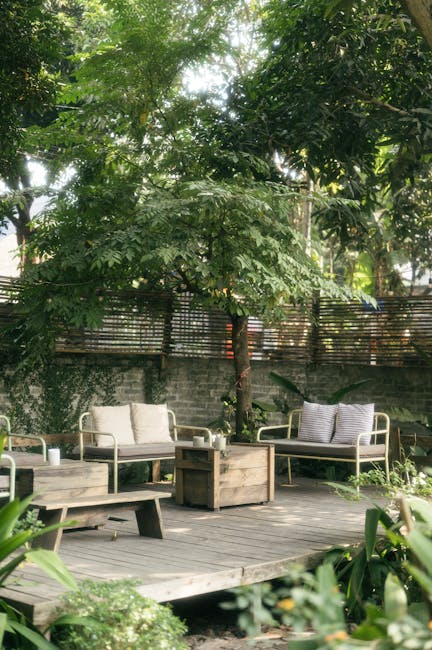
Top rated gardeners in Morden for small gardens
If you have a small garden in Morden, you already know the truth: it can be charming, but it can also be a bit of a puzzle. One week it feels too cramped for a proper planting plan, the next it looks tired because there is nowhere to hide the bits that need pruning, clearing, or reshaping. That is where the top rated gardeners in Morden for small gardens really earn their keep. They understand how to make limited outdoor space feel calm, tidy, and genuinely useful without overdoing it.
This guide walks you through what to look for, how the work usually happens, the practical benefits, and the mistakes people often make when they try to manage a compact plot alone. You will also find a clear checklist, a comparison table, and a few locally relevant pointers to help you decide what good service looks like in a real Morden garden, not just on paper.
Truth be told, a small garden can be more demanding than a large one. Every plant choice matters. Every cut matters. And every square metre needs to pull its weight.
Table of Contents
- Why Top rated gardeners in Morden for small gardens Matters
- How Top rated gardeners in Morden for small gardens Works
- Key Benefits and Practical Advantages
- Who This Is For and When It Makes Sense
- Step-by-Step Guidance
- Expert Tips for Better Results
- Common Mistakes to Avoid
- Tools, Resources and Recommendations
- Law, Compliance, Standards, or Best Practice
- Options, Methods, or Comparison Table
- Case Study or Real-World Example
- Practical Checklist
- Conclusion
- Frequently Asked Questions
Why Top rated gardeners in Morden for small gardens Matters
Small gardens are often overlooked because they seem simpler. Fewer beds, fewer borders, fewer trees. Easy, right? Not quite. In a compact space, poor pruning, overgrown shrubs, weak soil, or the wrong planting layout become obvious very quickly. A garden that is only a few metres wide can start feeling cluttered, shaded, or awkward if it is not maintained with a light but skilled touch.
The best local gardeners understand that small gardens need restraint as much as energy. They are not there to fill every corner. They are there to improve flow, create breathing room, and make the space feel intentional. That might mean shaping hedges more carefully, reducing bulky growth, refreshing tired soil, or choosing plants that stay neat instead of spreading everywhere like they own the place.
In Morden, where many homes have compact rear gardens, narrow side spaces, or modest front plots, the right gardener can change how the whole property feels. A tidy, well-planned garden often makes daily life easier too. Less mess. Less maintenance stress. More time to actually sit outside with a coffee when the weather decides to cooperate.
If you are also comparing wider local services, it can help to look at related pages such as garden maintenance services, lawn care support, and hedge trimming and shaping to see how different tasks fit together.
How Top rated gardeners in Morden for small gardens Works
Good work on a small garden usually starts with observation, not tools. A skilled gardener will first look at sunlight, drainage, existing plant health, access, and how you actually use the space. Is it a place for children? A quiet corner for sitting? A low-maintenance patch that still looks smart from the kitchen window? Those answers shape everything else.
The process often begins with a walkthrough or photos, followed by a practical discussion about what needs attention now and what can wait. In a small garden, the priority is usually to avoid unnecessary disruption. There is no point stripping everything out if selective pruning and a better layout will do the job more elegantly.
Many gardeners will then work through a mix of tasks such as:
- pruning compact shrubs and climbers so they do not overwhelm the space
- clearing weeds before they take hold around paving or borders
- redefining edges so the garden looks tidier instantly
- improving soil structure in containers or beds
- choosing plants that suit shade, partial shade, or full sun
- suggesting seasonal maintenance so the garden stays easy to manage
The strongest results come from gardeners who think in layers: structure first, planting second, finishing details last. That approach matters even more in a small plot because one oversized shrub or one awkward feature can throw the whole thing off. A tiny space can become surprisingly elegant with the right balance. Sounds simple. It usually isn't.
Key Benefits and Practical Advantages
There is a real difference between a garden that has been "done" and one that has been shaped properly for its size. The practical advantages are not just cosmetic, although to be fair, a neat garden does lift the whole mood of a home.
Better use of every inch
Small gardens need efficient layouts. A good gardener can make a narrow patio feel less cramped, keep planting from spilling over paths, and reduce the sense that the garden is fighting itself. The space becomes easier to move through and easier to enjoy.
Lower ongoing maintenance
When borders are overplanted or shrubs are left to run wild, maintenance gets harder every month. A top-rated gardener helps you reset that cycle. Proper pruning and plant selection mean fewer weekend battles with the shears later on.
Healthier plants
Plants in small gardens often compete for light, water, and nutrients. A knowledgeable gardener will notice when something is stressed, crowded, or poorly sited. That can prevent the common "why does this keep dying?" routine that drives people mad by midsummer.
More usable outdoor living space
If you want a place for a table and two chairs, a child's play corner, or just a tidy spot to step into for fresh air, the design has to support that. Better structure means the garden works for your lifestyle rather than sitting there looking half-finished.
Stronger property presentation
Front and rear gardens both influence how a home feels. In a busy area like Morden, a cared-for small garden can make an entrance feel welcoming rather than forgotten. That matters whether you are staying put or thinking ahead.
Expert summary: In a small garden, the best results usually come from restraint, not excess. Choose a gardener who knows when to cut back, when to simplify, and when to leave good structure alone.
Who This Is For and When It Makes Sense
This service is ideal for homeowners, tenants, landlords, and busy families who want a neat, manageable outdoor space without having to turn every weekend into a gardening project. It is especially useful if your garden has become awkward to maintain because of shade, tight access, or planting that has outgrown its welcome.
You may need a specialist local gardener if:
- your garden is under a modest footprint and feels cluttered fast
- you have a small lawn, patio, or border that needs regular shaping
- plants are crowding each other and blocking light
- you want a tidy result without a full redesign
- you need seasonal upkeep rather than a one-off heavy clear-out
- you are preparing a property for sale or new tenants
It also makes sense if you simply do not have the time, tools, or patience. Lets face it, most people do not enjoy dragging a heavy mower through a tiny gate or trying to prune a shrub while balancing on a wobbly paving stone. A good gardener takes that off your plate.
If you are more interested in broader help, a useful next step is reviewing garden clearance options or checking a regular maintenance plan if you want the space kept tidy all year.
Step-by-Step Guidance
If you are deciding how to approach a small garden in Morden, a simple process helps keep things grounded. No drama. No overcomplication.
- Assess the space honestly. Look at what is working and what is not. Is the issue weeds, poor layout, overgrown shrubs, or just lack of structure?
- Decide the main purpose. A garden for sitting, entertaining, relaxing, or easy maintenance will need a different plan.
- Choose a gardener with small-space experience. Ask whether they regularly handle compact gardens, not just large lawns.
- Request a clear breakdown of work. You want to know what will be pruned, cleared, planted, or reshaped.
- Agree on priorities first. In a small garden, the most visible issues should usually be tackled before nice-to-have extras.
- Review plant choices carefully. Avoid anything that will quickly overpower the bed, block paths, or create extra work.
- Set a maintenance rhythm. A little regular care is often better than occasional heavy intervention.
A helpful trick is to think in "lines of sight". What do you see first from the back door? From a kitchen window? From the path as you enter? Good gardeners use those sightlines to make small gardens feel larger and calmer. It sounds almost too simple, but it works.
Expert Tips for Better Results
In practice, the best small-garden outcomes often come from a few smart decisions rather than a long wish list. Here are the things experienced gardeners pay attention to.
1. Keep the planting palette tight
Too many different plant types in a small space can make the garden look busy in a bad way. A tighter palette creates repetition, which makes the space feel more coherent. Even one or two repeating shapes can calm everything down.
2. Use height carefully
Vertical interest is useful, but only if it is controlled. A climber on a trellis can look fantastic. A climber swallowing the fence line, less so. This is where a gardener's judgement really matters.
3. Choose low-fuss maintenance patterns
In small gardens, awkward access often becomes the real challenge. Borders that are hard to reach or plants that need constant fiddling can become frustrating. Select maintenance patterns that suit the site, not just the catalogue photo.
4. Pay attention to drainage and watering
Smaller plots can dry out quickly, especially if they include paving, raised beds, or containers. On the other hand, shaded or compacted corners may stay damp. The right gardener will notice the difference and adjust accordingly.
5. Make the hard landscaping work harder
Paths, edging, paving, and small seating areas should support the whole garden rather than interrupt it. Clean lines and sensible proportions matter. A slightly narrower path, for example, may feel more spacious than a cluttered wider one.
One small but useful habit: take a photo of your garden before the work starts. Then compare it after a tidy-up or reshaping session. The contrast can be surprisingly revealing. And a bit satisfying, too.
Common Mistakes to Avoid
Small gardens are easy to overwork. That is the central trap. People either leave them alone until they are messy, or they attack them with too much enthusiasm and lose the character that made them nice in the first place.
- Overplanting. Filling every corner can make the garden feel smaller, not richer.
- Choosing fast-growing plants without a plan. "It looked lovely in the shop" is not a long-term strategy.
- Ignoring access. If a gardener cannot move comfortably around the space, the work becomes slower and less precise.
- Letting one feature dominate. A large shrub, shed, or tree can overwhelm a modest plot if not managed carefully.
- Skipping regular maintenance. A small garden often looks best with lighter, more frequent visits.
- Not checking what is actually included. Clearing, pruning, shaping, waste removal, and planting are not always bundled together.
A real-world example: a compact garden with dense evergreen shrubs can look "fine" for years, then suddenly feel dark and boxed in after one season of vigorous growth. The fix is rarely dramatic demolition. Usually, it is selective reduction, better spacing, and a more realistic planting mix. Simple, but not always easy to spot from inside the house.
Tools, Resources and Recommendations
A professional gardener will usually bring most of the essential tools, but understanding the kit helps you judge how serious and well-prepared they are. For small gardens, precision matters more than brute force.
| Tool or Resource | Why It Helps in a Small Garden | What Good Use Looks Like |
|---|---|---|
| Hand pruners and secateurs | Best for clean, controlled cuts | Used for shaping without tearing or overcutting |
| Hedge trimmers | Useful for tidy lines on compact hedges | Applied carefully, not to force an unnatural shape |
| Spade and border fork | Help with edging and soil improvement | Used for precise bed work, not rough disturbance |
| Garden waste bags or bins | Small spaces can look messy quickly | Clippings removed neatly, not left in piles |
| Plant labels or a simple planting plan | Prevents confusion later | Helps you remember what was planted and where |
If you are comparing service providers, it can be helpful to check whether they also cover related jobs such as seasonal garden maintenance or planting and border refreshes. That can save you from hiring multiple people for one small plot. Nice and tidy.
For homeowners who want a longer-term approach, a monthly or seasonal maintenance schedule often works better than one big annual clear-up. Small gardens tend to respond well to consistency.
Law, Compliance, Standards, or Best Practice
Most small garden work is straightforward, but there are still sensible standards and UK best practices worth keeping in mind. The most important point is to work safely and responsibly, especially where tools, waste, access, and neighbour boundaries are involved.
A few practical considerations:
- Waste disposal: Green waste should be handled properly rather than dumped or burnt in a way that creates nuisance.
- Noise and timing: Garden work can be noisy, so considerate timing matters in densely built residential streets.
- Shared boundaries: Hedges, fences, and overhanging growth often sit near neighbour lines, so care and communication help avoid friction.
- Safe tool use: Good gardeners use appropriate personal protective equipment and sensible working practices.
- Plant selection: Avoiding invasive or excessively vigorous species is simply good practice in a compact space.
If you are unsure about tree work, protected features, or shared boundary responsibilities, it is sensible to ask questions before any major cutting starts. That is especially true in London, where properties can be close together and assumptions cause headaches fast. A careful gardener will not mind the question. In fact, they should welcome it.
For broader reassurance, many readers also find it useful to review a provider's health and safety approach or their garden waste disposal guidance before booking.
Options, Methods, or Comparison Table
There is more than one way to improve a small garden. The right choice depends on budget, condition, and how much change you actually want. Sometimes a light tidy is enough. Sometimes the space needs a proper reset. Here is a simple comparison to help you think it through.
| Approach | Best For | Pros | Watch Out For |
|---|---|---|---|
| One-off tidy-up | Messy or neglected small gardens | Quick improvement, immediate visual lift | Can slide back if not maintained |
| Seasonal maintenance | Gardens that are mostly healthy | Keeps growth under control, less stress | May not solve deep layout issues |
| Light redesign | Awkward or cluttered layouts | Better flow, smarter use of space | Needs careful planning and a clear brief |
| Planting refresh | Tired beds or poor plant mix | Improves colour, structure, and balance | Wrong plant choices can create more work |
For many Morden homeowners, the best option is actually a combination: a tidy-up first, then a smaller maintenance plan, then planting adjustments once the bones of the garden are sorted. That sequence keeps costs and disruption more manageable. And it tends to look better, which is the point really.
Case Study or Real-World Example
Imagine a small back garden behind a terrace in Morden. It has a narrow strip of lawn, a tired border, a few overgrown shrubs, and a patio that feels a bit swallowed by the rest of it. The owner wants it to look welcoming, but not high maintenance. Fair enough.
A good gardener would probably start by clearing the clutter, pruning the shrubs so they sit within the space instead of crowding it, and removing anything that blocks light to the middle of the garden. The next step might be redefining the edge between lawn and border, then adding a few plants with different heights but similar maintenance needs. Maybe a climber on one boundary for vertical interest. Maybe a compact evergreen for shape through winter.
What changes first? Usually the feeling of space. Not necessarily more square metres, obviously, but more air. You notice the patio again. The path makes sense. The borders stop shouting at each other. By the time the work is finished, the garden does not look "done to death"; it looks clearer. More intentional.
That is the real value of choosing top rated gardeners for a small garden in Morden. They do not just remove problems. They help the space become livable.
Practical Checklist
Use this checklist before you book or brief a gardener. It helps keep the job focused and stops important details slipping through the cracks.
- Have you defined the main purpose of the garden?
- Do you know whether you need a tidy-up, maintenance, planting help, or a light redesign?
- Have you checked that the gardener has experience with small spaces?
- Are access points clear enough for tools and waste removal?
- Do you know which plants are staying and which may need pruning or replacement?
- Have you agreed what happens to green waste?
- Have you discussed hedge, fence, or boundary considerations?
- Do you want a one-off visit or a regular service?
- Have you asked for the likely order of work?
- Do you have a simple maintenance plan for the next few months?
One extra tip: if you can, take quick photos from the same three angles before and after the work. It helps you see what changed and makes follow-up visits easier to plan. Not glamorous, but useful.
Get a free quote today and see how much you can save.
Conclusion
The best gardeners for small gardens in Morden are the ones who understand balance. They know when to trim, when to simplify, when to refresh, and when to leave a good thing alone. That judgement matters far more in a compact garden than in a larger one, because every decision is visible.
If your space feels crowded, difficult to maintain, or just not as welcoming as it should be, a skilled local gardener can help you turn it into something far more workable. Start with the outcome you want, ask practical questions, and choose someone who treats small-space gardening as a craft, not an afterthought.
Small gardens can be lovely. Honestly, some of the nicest ones are the modest ones with a bit of care, a clear plan, and someone who knows what they are doing. That is often enough.
Frequently Asked Questions
What should I look for in a gardener for a small garden in Morden?
Look for experience with compact spaces, clear communication, sensible plant knowledge, and a practical approach to maintenance. The best gardeners do not just cut things back; they improve flow and make the space easier to live with.
Are top rated gardeners in Morden for small gardens usually better for tight spaces than general gardeners?
Often, yes. A gardener who regularly works in small gardens is more likely to understand proportion, access issues, and how to avoid overfilling the space. That kind of judgement makes a noticeable difference.
How often should a small garden be maintained?
That depends on the planting and how quickly things grow, but many small gardens benefit from lighter, more regular visits rather than rare big clear-ups. Consistency usually keeps the space more manageable.
Can a small garden be redesigned without a full landscaping project?
Absolutely. In many cases, selective pruning, improved edging, better planting choices, and a tidier layout are enough to transform the feel of the space. You do not always need to start from scratch.
What is the difference between garden clearance and garden maintenance?
Garden clearance usually deals with overgrowth, waste, and neglected areas. Maintenance is the ongoing work that keeps the garden looking neat after the initial tidy-up. They often work best together.
Will a gardener remove the waste after the job?
Many do, but not all services include disposal by default. Always confirm this in advance so there are no awkward surprises with piles of green waste sitting around after the work is finished.
Is it worth getting a gardener if my garden is only tiny?
Yes, especially if the space feels hard to manage or you want it to look good without spending every weekend on it. Small gardens can actually be more demanding than larger ones.
What plants work well in small Morden gardens?
That depends on light, soil, and how much maintenance you want, but compact shrubs, structured evergreens, climbers, and well-chosen perennials often work well. The key is avoiding plants that will quickly outgrow the space.
Do I need permission for normal garden work?
Routine maintenance usually does not require permission, but some boundary, tree, or protected-feature situations can be different. If anything looks unusual or sensitive, it is wise to ask before work starts.
How can I tell if a quote is fair?
A fair quote should clearly explain what is included, how long the work is expected to take, and whether waste removal or materials are extra. If something is vague, ask for clarification. A good provider will not mind.
Can a gardener help if my small garden has poor drainage or heavy shade?
Yes. A good gardener can suggest planting that suits those conditions and may recommend basic improvements to soil or layout. They will not promise miracles, but they can usually make the space much more workable.
Should I book a one-off visit or a regular service?
If the garden is neglected, a one-off reset may be the best first step. If you want it to stay neat with less effort, a regular service is often the more practical choice over time.